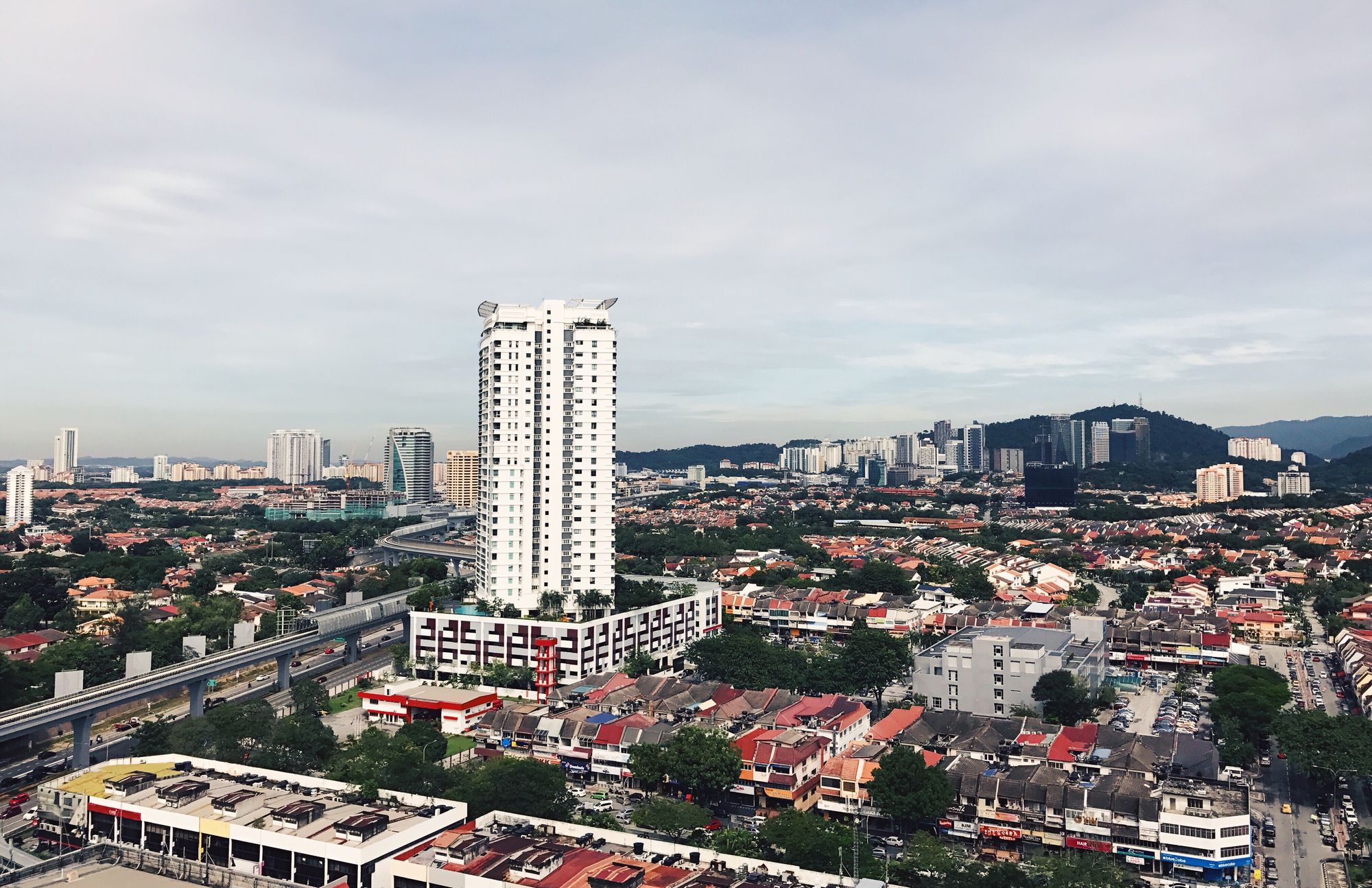
In a significant development, the developer, a renowned real estate company, has reached a settlement with homeowners in a dispute over car parking spaces for their project named the project located in Hoskerehalli village, Uttarahalli Hobli, Bangalore. The resolution came about following an appeal filed by the developer against an order by the Karnataka Real Estate Regulatory Authority (RERA). This article delves into the details of the case, the settlement, and its implications for both parties involved.
Case Overview:
The dispute at hand arose when homeowners, Homeowner A and Homeowner B, lodged a complaint (No. CMP/200724/0007284) with RERA regarding the allocation of car parking spaces. The complainants argued that the developer had demanded additional payments for the allocated spaces, which they claimed were agreed upon without any additional charges.
Appeal to the Karnataka Real Estate Appellate Tribunal: In response to the RERA order, the developer. decided to challenge the decision by filing an appeal (No. 06/2023) with the Karnataka Real Estate Appellate Tribunal. The appellant sought to set aside the order passed on October 17, 2022, and requested the tribunal's intervention in the matter.
Out-of-Court Settlement:
In a positive turn of events, all parties involved, including the appellant (the developer) and the respondents (Homeowner A and Homeowner B), reached an out-of-court settlement. This significant development was confirmed through a Joint Memo signed by the authorized representatives of both parties and their respective legal counsels. The settlement effectively resolved the dispute and rendered the appeal moot.
Implications and Dismissal of the Appeal:
Considering the settlement reached by the parties, the Karnataka Real Estate Appellate Tribunal dismissed the appeal. As a result, any pending interlocutory applications were rejected, as they were deemed unnecessary given the resolution of the dispute. The tribunal's order, dated April 6, 2023, emphasized the dismissal of the appeal and the compliance with relevant legal provisions, particularly Section 44(4) of the Real Estate (Regulation and Development) Act, 2016.
Conclusion:
The settlement between the developer and the homeowners, Homeowner A and Homeowner B, marks a significant milestone in the resolution of the car parking space dispute. By reaching an agreement out of court, both parties have avoided prolonged legal proceedings and found a mutually acceptable solution. The dismissal of the appeal by the Karnataka Real Estate Appellate Tribunal underscores the finality of the settlement. This outcome highlights the importance of effective communication, negotiation, and alternate dispute resolution mechanisms within the real estate sector.
In conclusion, the amicable settlement between the developer and the homeowners serves as an example of the potential for peaceful resolution in complex real estate disputes. It showcases the willingness of parties to engage in constructive dialogue and reach mutually beneficial outcomes. The successful conclusion of this case sets a positive precedent for the industry, emphasizing the importance of transparent and fair practices when it comes to the allocation of amenities such as car parking spaces.