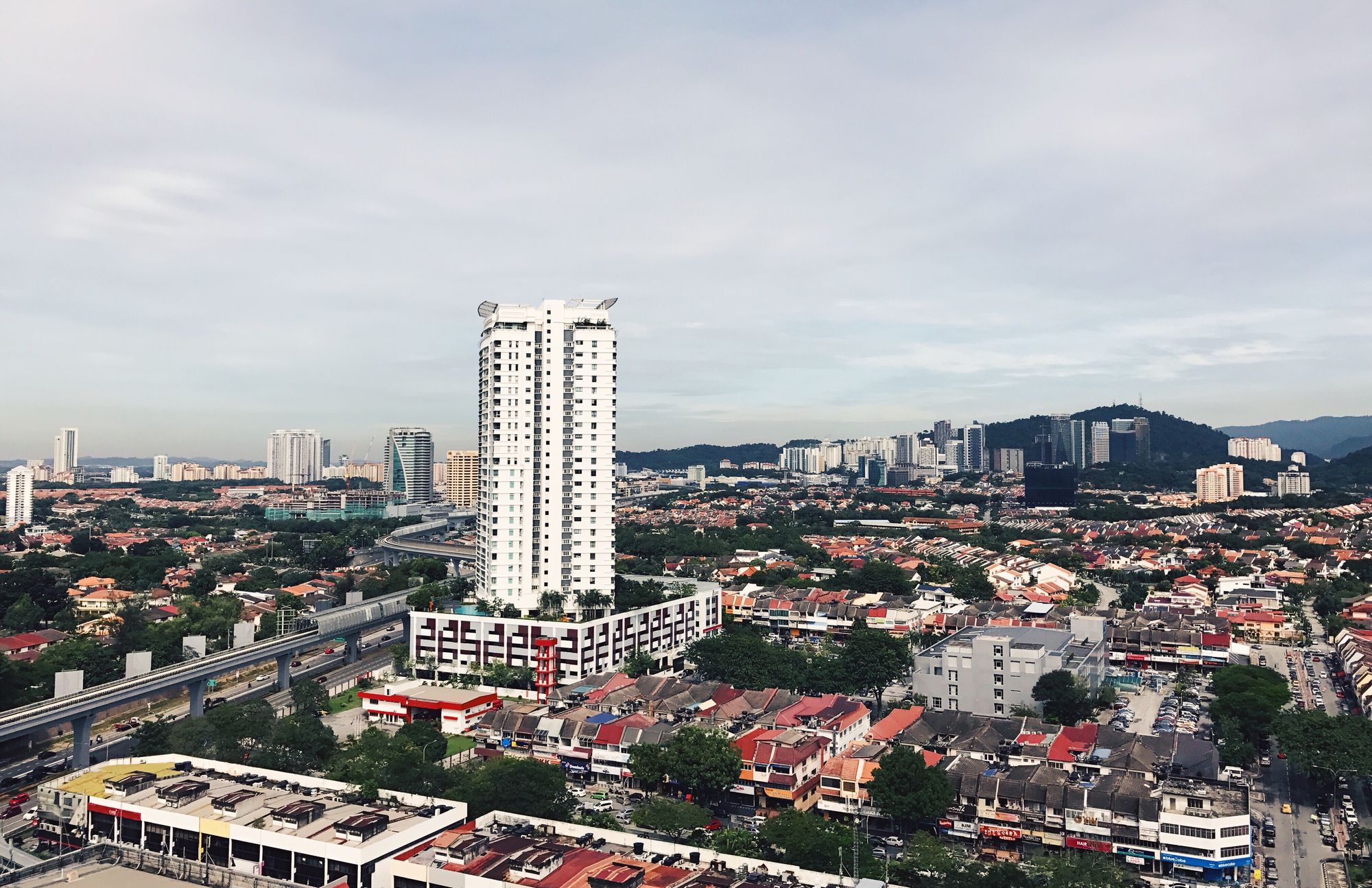
In the bustling real estate sector of Haryana, a significant legal battle unfolded before the Haryana Real Estate Appellate Tribunal that sent ripples throughout the industry. This comprehensive guide aims to shed light on the intricacies of the case and its implications for all stakeholders involved.
The case, Appeal No. 425 of 2022, dated 13.07.2023, witnessed the involvement of several parties, including appellants and respondents. The issues raised in the case centered around proportionate percentage entitlement in common areas, making it a crucial matter with far-reaching consequences.
Background of the Case
At the heart of the case lies a residential complex in Sector 20, Panchkula. The project's development and management were undertaken jointly by the developers, two prominent players in the real estate market.
The Directorate of Town and Country Planning Haryana played a significant role in the case, being responsible for overseeing and regulating real estate developments in the state. As the residential complex was inhabited by numerous homeowners, the residents' welfare association was formed to represent the interests of the residents.
Parties Involved in the Appeal
The appellants were 15 allottees in the residential project, each asserting rights relating to their respective apartments and the project's common areas.
On the other side, the respondents included two private developers and the Directorate of Town and Country Planning Haryana.
The Complaint and the Authority's Order
The complaint filed by the appellants before the Haryana Real Estate Regulatory Authority raised significant concerns regarding proportionate percentage entitlement in common areas within the residential complex. The dispute centered around the rights and privileges granted to each homeowner in these shared spaces.
In a detailed order, the Authority deliberated on the specific issues raised in the complaint and concluded that the relief sought by the appellants could only be granted to a duly constituted Residents Welfare Association (RWA) through its executive body. As the RWA had been formed after the complaint was filed, the Authority deemed the complaint premature and dismissed it. The Authority anticipated that the maintenance of the society, along with other rights and the IFMS amount, would be handed over to the RWA after its constitution.
Legal Aspects of the Case
The Haryana Real Estate Appellate Tribunal delved into the legal aspects of the case, with a particular focus on 'The Haryana Apartment Ownership Act, 1983.' This pivotal legislation outlined the rights and obligations of apartment owners and the management of common areas within residential complexes.
The Tribunal analyzed the Rules made under the 1983 Act and examined their impact on the issue of proportionate percentage entitlement. The central contention between the appellants and the respondent-promoter revolved around the deed of declaration submitted by the latter before the Authority.
Haryana Real Estate Appellate Tribunal Proceedings
The appeal was heard by the Tribunal Chairperson with two Tribunal Members. During the appeal, both the appellants and respondents presented their arguments, which were subject to rigorous scrutiny.
The Tribunal ultimately upheld the Authority's order, citing that the proportionate percentage entitlement issue was a matter that could be raised before the newly formed RWA. The Tribunal emphasized the significance of the RWA in representing the collective interests of all allottees.
Implications and Outcomes of the Case
The Tribunal's decision holds immense implications for the appellants and other stakeholders. It sets a precedent for future real estate disputes in Haryana, emphasizing the importance of a properly constituted RWA in addressing such matters. The liberty granted to the appellants for further redressal ensures that they can seek resolution through the appropriate channels.
Key Takeaways and Lessons Learned
The case offers valuable takeaways for various parties involved in the real estate sector. Real estate developers can gain insights into adhering to legal provisions and ensuring transparent dealings with homeowners. Buyers can understand the significance of active participation in forming RWAs for safeguarding their rights and interests. Regulatory bodies can also learn from the case to ensure a fair and streamlined dispute resolution process.
Conclusion
The appeal concerning the residential complex illustrates how common-area disputes may be routed through a duly constituted residents' welfare association. By unraveling the complexities of the case and its legal implications, this guide offers a comprehensive understanding of the matter. The Tribunal's decision highlights the pivotal role of RWAs in protecting the rights of homeowners and fostering a harmonious real estate ecosystem.